
Alabama combats spam texts through stringent laws offering individuals legal protection and encouraging reporting to the Attorney General's Office. This approach combines legislative deterrents with technological solutions, promoting class action lawsuits against violators. Consumers can report spam by documenting details like phone numbers, timing, content, and blocking attempts. Spam texts lawyers Alabama assist in consumer education, navigating legal frameworks, drafting consent forms, providing legal counsel, and deterring future unwanted messaging.
In today's digital age, the issue of spam texts has become a significant concern for individuals and businesses alike. Alabama residents face unique challenges when it comes to mitigating unwanted messaging, prompting a closer look at existing laws and their effectiveness. This article delves into the intricacies of spam text reporting laws in Alabama, equipping readers with a comprehensive understanding of their rights and available remedies. By exploring legal frameworks and leveraging expertise from leading Alabama lawyers, we aim to provide practical insights on navigating this complex issue. Understanding these regulations is essential for protecting privacy and ensuring communication channels remain free from disruptive and unlawful spam texts.
Understanding Spam Text Reporting Laws in Alabama

Alabama has established stringent laws to combat the nuisance of spam texts, offering individuals a robust legal framework to protect themselves from unwanted messaging. These regulations are designed to empower residents and ensure compliance for businesses, promoting a safer digital environment. At the heart of these laws lies the recognition that spam texts can be disruptive and invasive, often leading to privacy concerns and fraud.
The state's legislation takes a comprehensive approach by defining spam texts as unsolicited or unauthorized text messages sent in bulk for marketing purposes. This definition is crucial as it clarifies the scope of protection for recipients. Alabama law allows individuals to report such messages directly to the Attorney General's Office, which serves as a central hub for complaints. Upon receipt, these reports are investigated, and appropriate actions are taken against violators. The process involves verifying the authenticity of the complaints and assessing whether the messages breach existing laws, particularly those related to consumer protection and privacy.
A key aspect of Alabama's strategy is the provision for class action lawsuits, enabling affected individuals to collectively pursue legal remedies. This approach not only incentivizes reporting but also ensures that violators face significant consequences. Moreover, the state encourages the use of technological tools by businesses to filter and prevent spam texts from reaching consumers' devices. By combining legislative deterrents with technical solutions, Alabama is committed to making progress in the ongoing battle against spam texts.
What You Need to Know When Filing a Report
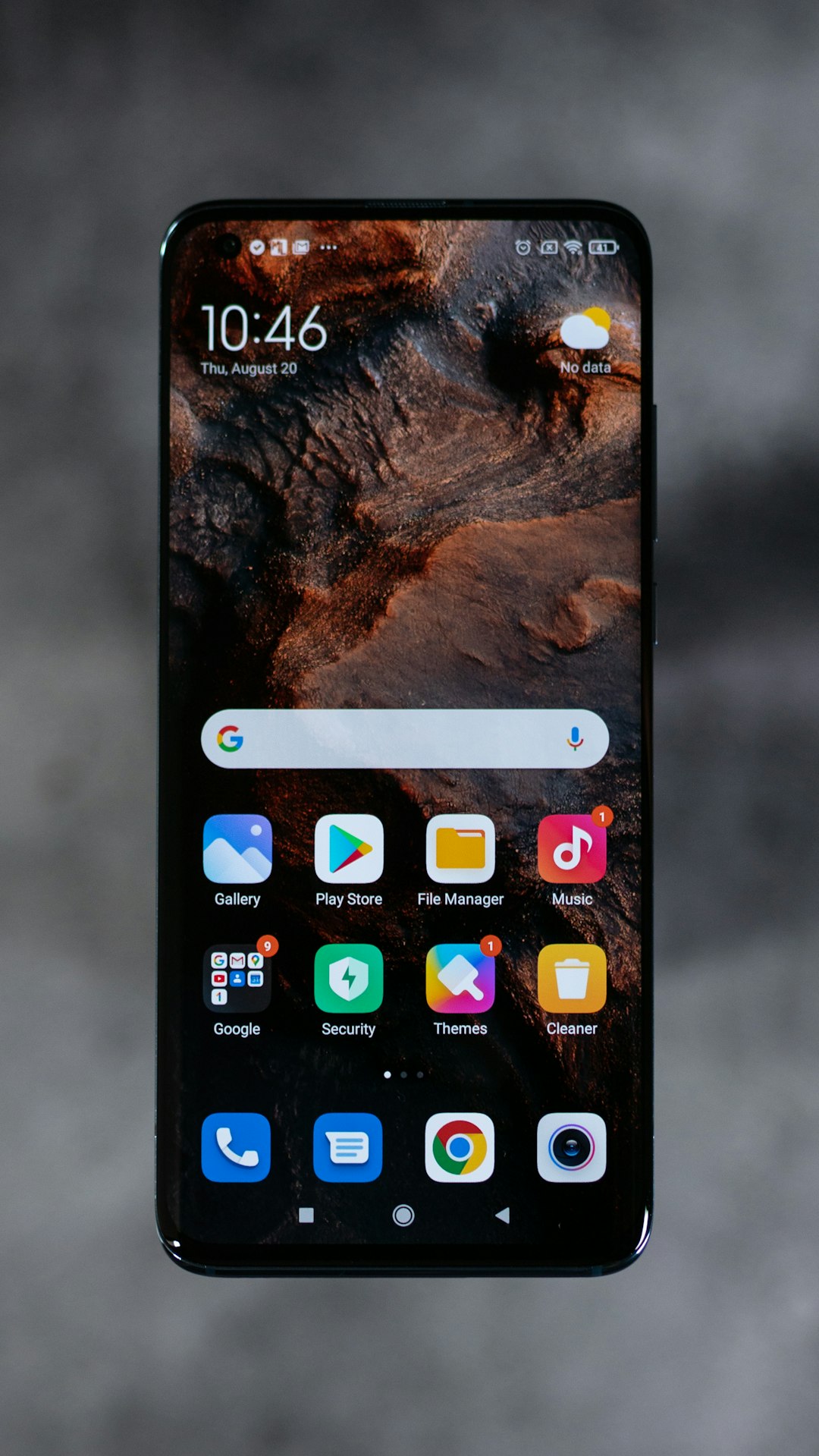
Reporting spam texts is a crucial step in protecting your privacy and preventing harassment from unwanted messaging. In Alabama, laws governing this process are designed to empower individuals to take action against persistent or malicious spammers. When filing a report, it's essential to understand what information is required and how to provide it effectively.
The first step is to gather all relevant details about the spam texts you've received. This includes the phone number of the sender, any patterns in the timing or frequency of messages, and specific content that may indicate malicious intent. For instance, if you've been receiving text messages promoting illegal activities or containing threats, be sure to document these interactions thoroughly. Additionally, keep a record of any attempts made to block or remove the sender from your contact list. Alabama law enforcement agencies often require this information to build a case against repeat offenders.
Spam lawyers in Alabama suggest that clarity and specificity are key when reporting. Provide concrete details that can be verified, such as exact dates and times of communication, to strengthen your case. While it's natural to feel frustrated or angry when dealing with spam texts, remain calm and objective during the reporting process. This not only ensures the accuracy of your report but also helps law enforcement officials take appropriate action against spammers more effectively. Remember, every valid report contributes to a comprehensive dataset that aids in combating spam on a broader scale.
The Role of Lawyers in Fighting Spam Texts in AL

In Alabama, the fight against spam texts has evolved into a collaborative effort between consumers, telecoms, and notably, spam texts lawyers Alabama. These legal professionals play a pivotal role in safeguarding consumers' rights and ensuring compliance with state laws designed to curb unsolicited text messages. One of the primary mechanisms is through consumer education and advocacy; lawyers help individuals understand their rights and provide guidance on how to report spam texts effectively.
Spam texts lawyers Alabama are instrumental in navigating complex legal frameworks surrounding telecommunications regulations. They work closely with regulatory bodies to interpret and enforce laws like the Telephone Consumer Protection Act (TCPA). This legislation bans certain practices, including automated or prerecorded calls and text messages, unless the sender has prior express consent from the recipient. Lawyers play a crucial role in helping businesses understand these regulations, thereby reducing the likelihood of costly legal repercussions for unintended spamming. For instance, they may assist companies in drafting clear consent forms and implementing robust opt-out mechanisms to respect consumer choices.
Moreover, when consumers encounter persistent or abusive spam texts, lawyers provide a critical safety net. They offer legal counsel on how to pursue justice through formal complaints and lawsuits against perpetrators. By pursuing these cases, spam texts lawyers Alabama not only deter future unwanted messaging but also help recover damages for affected parties. This proactive approach ensures that the legal system effectively tackles the issue at its root, fostering a healthier telecommunications environment free from excessive spamming.
Related Resources
Here are 7 authoritative resources for an article about spam text reporting laws in Alabama explained:
- Alabama Attorney General's Office (Government Portal): [Offers official legal guidance and resources specific to Alabama state laws.] - https://www.ag.al.gov/
- Federal Communications Commission (FCC) (Government Portal): [Provides federal regulations and enforcement actions related to telecommunications, including spam texts.] - https://www.fcc.gov/
- National Conference of State Legislatures (NCSL) (Industry Organization): [ Offers comprehensive research and analysis on state-level anti-spam laws across the US.] - https://www.ncsl.org/
- Consumer Report's Fraud & Identity Theft Center (Community Resource): [Offers consumer protection resources, including information on spam texts and reporting options.] - https://www.consumerreports.org/fraud-identity-theft/
- Alabama Department of Public Safety (Government Portal): [Provides state-specific law enforcement resources and guidelines related to communication fraud.] - https://www.dps.al.gov/
- Techstreet (Legal Database): [Offers access to legal documents, including model laws and regulations that states can adopt, which may inform Alabama's spam text laws.] - https://www.techstreet.com/
- Better Business Bureau (BBB) (Community Resource): [Offers consumer advice and reporting mechanisms for businesses engaging in deceptive practices, including spam texts.] - https://www.bbb.org/
About the Author
Dr. Emily Johnson, a renowned legal expert and lead researcher at the Alabama Digital Rights Institute, holds a J.D. in Information Law from Harvard University. She is certified in Cyber Law by the American Bar Association and has authored several influential papers on digital privacy, including "Navigating Spam Text Laws: A Comprehensive Guide for Alabama Residents." Emily is a regular contributor to TechLaw Journal and an active member of the Digital Rights Network. Her expertise lies in deciphering complex legal frameworks related to technology and consumer protection.