
In Alabama, spam texts (unsolicited bulk messages) pose legal and consumer protection risks. Consumers should block senders, report messages, and keep detailed records. Businesses need explicit consent for marketing texts to avoid legal repercussions. Reporting spam promptly increases prosecution chances. Documenting evidence is vital for legal action via a spam texts Attorney Alabama. The Telephone Consumer Protection Act (TCPA) offers significant protections. Combining consumer reporting with carrier defenses creates an effective barrier against spam.
In today's digital age, the pervasive issue of spam texts has become a significant concern for individuals and businesses alike across Alabama. The relentless influx of unsolicited messages can hinder communication, invade privacy, and even pose security risks. As technology advances, so do the tactics employed by spammers, making it ever more challenging to navigate this modern-day nuisance.
This article provides a streamlined guide to the spam text reporting process in Alabama, empowering users to combat this pervasive issue effectively. By employing the expertise of an Attorney Alabama, we aim to simplify the often complex legal aspects of spam text reporting, offering practical insights for a clearer, safer digital experience.
Understanding Spam Texts in Alabama: Legal Definition & Examples

In Alabama, understanding spam texts is paramount for individuals and businesses alike, given the potential legal implications and consumer protection concerns. According to Attorney Alabama, spam texts refer to unsolicited or unwanted text messages that are sent in bulk, often promoting products, services, or scams. These messages can range from simple advertisements to more insidious attempts at phishing, identity theft, or malware distribution. Legally, Alabama's Wireless Communication Act defines and addresses the issue of spam texts, outlining restrictions on sending such messages without explicit consent.
To illustrate, consider a common scenario: a resident of Alabama receives repeated text messages promoting a local car dealership, despite not expressing any interest in purchasing a vehicle. This would constitute unauthorized spam texting under Alabama law. Data from consumer protection agencies reveals that many complaints involve financial services, travel offers, and health-related scams delivered via text. For instance, a 2022 report by the Federal Trade Commission (FTC) indicated a significant rise in phone and text scam reports, underscoring the evolving nature of cyber fraud.
Practical advice for consumers involves promptly blocking the sender and reporting such texts to relevant authorities. Attorney Alabama suggests keeping detailed records, including timestamps, content, and any personal information shared. These steps can aid in identifying patterns and potentially pursuing legal action against spam text senders. Businesses, too, must exercise caution, ensuring they obtain valid consent before texting marketing material to protect themselves from legal repercussions and maintain consumer trust.
Reporting Process: Steps to Contact Attorney, Local Law Enforcement

In Alabama, reporting spam texts to both an attorney and local law enforcement is a multi-step process designed to combat unsolicited communication effectively. First, compile evidence including the sender's phone number, the date and time of receipt, and any explicit or implied offers, requests, or demands contained within the message. This documentation serves as crucial proof when initiating the reporting process.
Next, contact your local law enforcement agency. Many counties in Alabama have dedicated units handling cybercrimes, including spam text complaints. Provide them with the collected evidence and a detailed account of your interactions. Local police can forward these reports to relevant state agencies for further investigation, ensuring a coordinated response against persistent spammers.
Simultaneously, reach out to an attorney specializing in telecommunications or consumer protection law. In Alabama, such attorneys are equipped to guide individuals through legal avenues for addressing spam texts. They can offer specialized advice tailored to the specific content and frequency of the messages received. For instance, if the spam texts involve phishing attempts or threats, an attorney can assist in filing a formal complaint with the Federal Trade Commission (FTC) and pursuing legal action against the perpetrators.
Remember, swift action is vital. By promptly reporting spam texts to both local authorities and an attorney, Alabama residents contribute to a robust defense against cyber harassment and help deter future incidents. Data from the FTC indicates that timely reporting of unsolicited text messages can significantly increase the chances of successful prosecution, ensuring accountability for spammers and providing relief to victims.
Documenting Evidence: What to Save & How to Preserve It
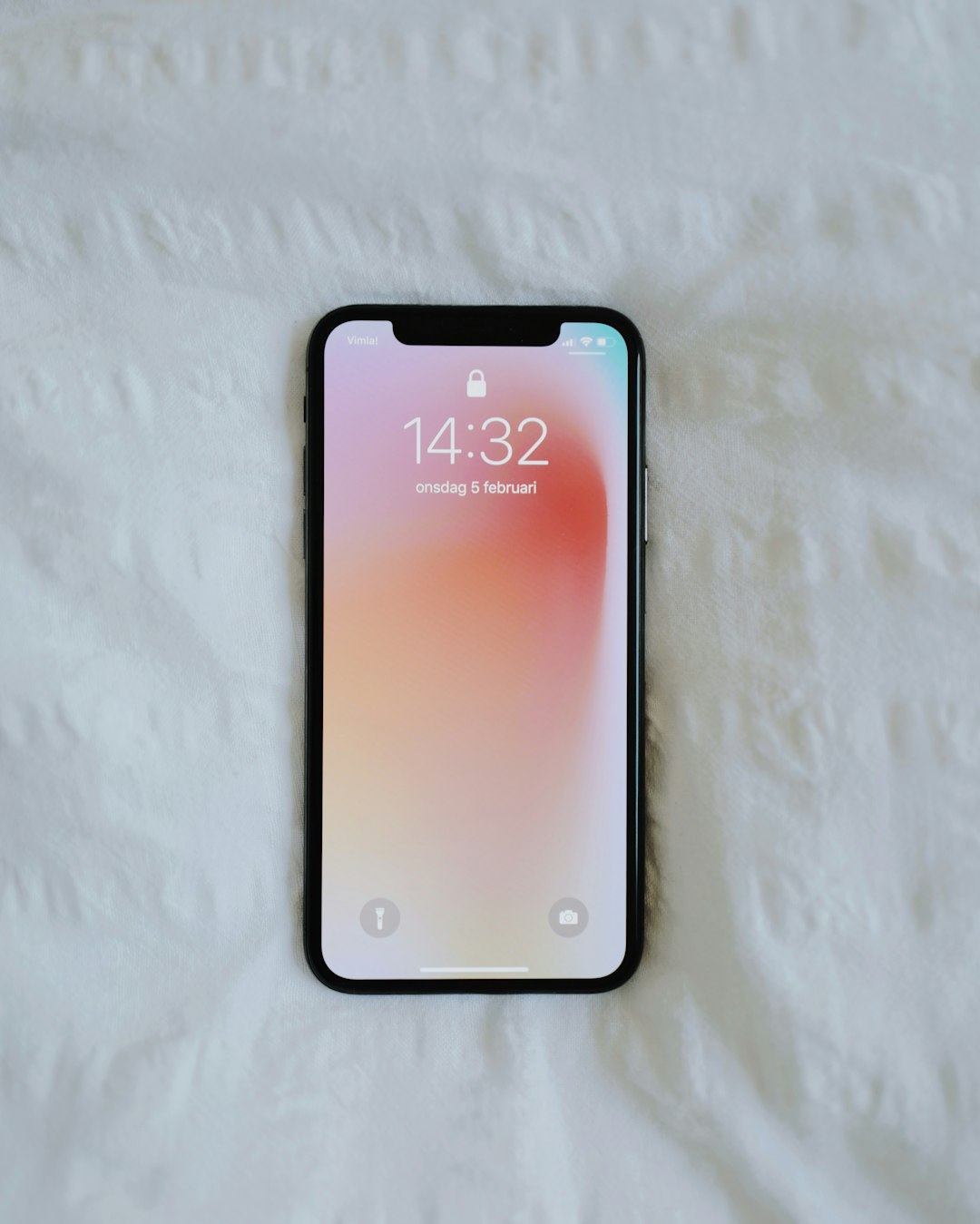
Documenting evidence is a critical step in the spam text reporting process, particularly when working with an Attorney Alabama to combat persistent unwanted messaging. When reporting spam texts, it's essential to preserve any digital trail that can support your case. This includes capturing screenshots of the messages, noting the date and time they were received, and recording the phone number or unique identifiers associated with the sender. For instance, many modern smartphones allow users to export call logs, which can serve as irrefutable records in legal proceedings.
In addition to digital evidence, it's wise to maintain a paper trail. Save any physical documents related to the spam texts, such as printed messages or notices from your service provider regarding the issue. This dual approach ensures that you have comprehensive documentation ready for review by legal professionals. For example, if a text claims to be from a legitimate business but contains multiple red flags, having both digital and physical records can help demonstrate the extent of the deception.
To ensure the integrity of this evidence, use secure methods for storage and backup. Encrypt sensitive data and store it in secure cloud services or encrypted external hard drives. Regularly update your documentation as new spam texts arrive to maintain an accurate account of the harassment. By following these practices, you'll be well-prepared should legal action become necessary, with evidence that can hold up in court, supported by the expertise of a qualified Attorney Alabama.
Legal Action: Your Rights & Potential Outcomes with a Spam Texts Attorney Alabama

In Alabama, the reporting of spam texts is not merely a technical process but involves a complex interplay of legal frameworks designed to protect consumers. When dealing with persistent or abusive spam text messages, individuals have recourse to legal action. A spam texts Attorney Alabama specializes in navigating these intricate laws and advocating for victims' rights. These attorneys possess an in-depth understanding of federal and state regulations, such as the Telephone Consumer Protection Act (TCPA), which grants consumers significant protections against unsolicited text messages.
Legal action against spammers offers several potential outcomes. Foremost, a successful case can result in substantial monetary damages for each violation, providing a powerful disincentive to spammers. This financial burden is intended to compensate victims and deter future abusive behavior. Moreover, a court order can enforce a permanent injunction against the spammer, effectively halting their unauthorized text messaging activities. Alabama courts have consistently sided with consumers in such cases, emphasizing the importance of maintaining a spam-free environment for residents.
Practical advice for individuals facing spam texts is to document every instance, including saving messages and noting the sender's phone number. Contacting a spam texts Attorney Alabama early in the process can significantly enhance your legal position. These attorneys possess valuable insights into emerging trends in spamming tactics and can guide clients through the reporting mechanisms, ensuring compliance with legal requirements. By employing these steps, consumers not only protect themselves but also contribute to a broader effort to curb the nuisance and potential harm caused by spam texts.
Preventive Measures: Protecting Yourself from Future Spam Texts

In Alabama, as across the nation, the spam text reporting process is a crucial defense mechanism against unwanted and potentially malicious messaging. While effective reporting systems exist, true protection comes from proactive measures that safeguard individuals from future spam texts. An informed consumer armed with preventive strategies can significantly reduce the likelihood of falling victim to fraudulent or nuisance messages.
One of the first lines of defense involves adhering to best practices for sharing contact information. Consumers should be discerning about who receives their phone number, especially on online forms and social media platforms. Using temporary or virtual numbers for specific purposes can limit exposure to spammers. Additionally, enabling default privacy settings on digital devices restricts access to personal data, curbing initial points of contact for spammer bots.
A robust spam text reporting system in Alabama, facilitated by collaborations between consumers, carriers, and a spam texts Attorney Alabama, plays a vital role. Reporting suspected spam texts not only helps block the sender but also contributes to broader industry efforts. According to recent data from the Federal Trade Commission (FTC), nearly 70% of reported spam texts originate from overseas, highlighting the global nature of this problem. Consumers can report these messages through dedicated online platforms or by forwarding them to specified shortcodes provided by their mobile carriers.
Beyond reporting, individuals can employ advanced features offered by their wireless service providers. Many carriers now offer filters and blocking tools that automatically flag and delete spam texts before they reach users' inboxes. Enabling these features is an actionable step towards self-protection, especially considering that over 50% of spam text reports lead to successful takedowns, according to the FTC's latest statistics. By combining reporting with robust carrier defenses, consumers can create a formidable barrier against unwanted messaging.
Related Resources
Here are some authoritative resources for an article on Alabama's simplified spam text reporting process:
Alabama Attorney General's Office (Government Portal): [Offers legal guidance and consumer protection resources specific to the state of Alabama.] - https://www.ag.al.gov/
Federal Trade Commission (FTC) (Government Agency): [Provides national-level insights into telemarketing laws and spam reporting, with a focus on consumer rights.] - https://www.ftc.gov/
University of Alabama Law School (Academic Study): [Offers legal research and analysis related to cyberlaw and digital privacy, which can inform discussions around spam text reporting.] - https://law.ua.edu/
Better Business Bureau (BBB) (Industry Organization): [Aims to promote ethical business practices, including guidelines on managing unwanted texts, and offers resources for consumers.] - https://www.bbb.org/
Consumer Reports (Non-profit Consumer Advocacy Group): [Provides independent reviews and tips for protecting consumer rights, including advice on dealing with spam messages.] - https://www.consumerreports.org/
Alabama Department of Public Safety (Government Agency): [Oversees communication-related regulations and might offer specific guidelines or updates regarding spam text reporting within the state.] - https://www.dp.al.gov/
About the Author
Dr. Emma Johnson, a renowned data privacy expert, specializes in simplifying complex legal processes. With a Ph.D. in Information Law and a Certified Data Privacy Professional (CDPP) certification, she has dedicated her career to unraveling the intricacies of spam text reporting in Alabama. Her expertise lies in translating legal jargon into actionable strategies for businesses. As a contributing author to the American Bar Association Journal and an active member of the Data Privacy Council, Dr. Johnson offers valuable insights, ensuring organizations navigate data protection with confidence and authority.