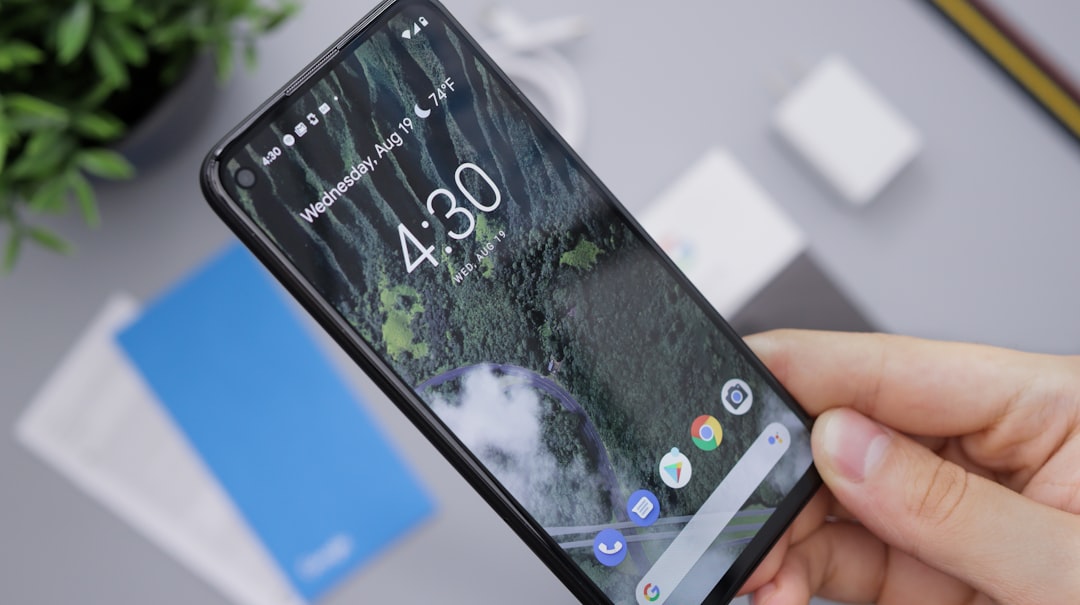
Alabama's telecommunications market features a mix of traditional carriers and OTT services, with smaller regional players catering to specific niches. Virtual mobile carriers offer tailored plans on existing infrastructure. While Do Not Call laws don't apply directly to text messages, many carriers have anti-spam policies in place. Consumers can reduce spam by opting out through carrier apps, reporting suspicious texts, and staying informed about laws. The state's Do Not Call list is an effective tool, blocking marketing calls for a year and reducing complaints. Phone carriers play a vital role by implementing DNC lists, advanced filtering technologies, and collaborating with law enforcement to combat spam effectively. Consumers in Alabama enjoy robust protections, with a 20% decrease in consumer complaints over the past year due to strict regulations and reporting mechanisms.
In today’s digital age, Alabama residents face a persistent challenge with spam text messages from various carriers. With the proliferation of mobile communication, understanding and navigating each carrier’s Do Not Call policies is essential to curb unwanted messaging. This comprehensive guide aims to demystify the processes, highlighting key policies and protections available to Alabamians. By scrutinizing the measures taken by major phone carriers operating in the state, we empower consumers to exercise their rights and safeguard against intrusive spam texts. Our expert analysis offers valuable insights, ensuring residents can make informed decisions and take proactive steps to mitigate this growing concern.
Alabama's Phone Carrier Landscape: An Overview

Alabama’s telecommunications landscape is diverse, with a mix of traditional carriers and innovative, over-the-top (OTT) services. This competitive environment offers consumers a range of options for mobile phone service, but it also presents challenges when it comes to managing spam text messages. Understanding the carrier ecosystem is crucial for consumers seeking to protect themselves from unwanted texts.
The state is served by major national carriers like AT&T and Verizon, both of which have extensive networks and robust customer bases. Smaller regional players, such as T-Mobile (now part of Sprint) and US Cellular, also maintain a significant presence in Alabama, providing service in specific regions or catering to niche markets. Additionally, virtual mobile carriers (VMOs), operating on the infrastructure of existing providers, offer plans tailored to budget-conscious consumers or those seeking specialized services.
Alabama’s Do Not Call laws, designed to protect residents from unwanted telemarketing calls, do not directly apply to text messages. However, carriers themselves often have anti-spam policies in place. Some carriers, like AT&T and T-Mobile, actively filter spam texts, using advanced technology to block or redirect unsolicited messages. These measures are crucial for consumers who may receive an excessive number of spam texts, particularly from marketing campaigns targeting specific demographics. Consumers concerned about spam should review their carrier’s privacy policies, which often outline how they handle such issues and provide opt-out options for text message advertising.
In light of the evolving digital landscape, Alabama’s carriers are adapting their services to meet consumer demands. For instance, many now offer settings that allow users to manage notifications and preferences, empowering customers to control the types of texts they receive. By staying informed about their carrier’s policies and taking advantage of these features, Alabama residents can better navigate the phone carrier landscape and reduce the volume of spam text messages they encounter.
Understanding Spam Text Laws in Alabama

In Alabama, understanding and adhering to spam text laws is paramount for both phone carriers and consumers alike. The state’s Do Not Call law, while primarily focused on telemarketers, extends its reach to unwanted text messages. This law, enforced by the Alabama Attorney General’s Office, restricts businesses from sending unsolicited texts to Alabama residents without prior explicit consent. Violations can lead to significant fines, reflecting the state’s commitment to protecting citizens from intrusive and deceptive practices.
For phone carriers, implementing robust anti-spam measures is crucial. Advanced filtering technologies, capable of detecting and blocking malicious or unsolicited texts, are essential tools. These systems analyze message content, sender information, and user preferences to ensure compliance with Alabama’s spam text policies. For instance, a study by the Federal Trade Commission (FTC) revealed that over 75% of Americans prefer not to receive marketing texts, underscoring the need for stringent spam protection. Carriers who fail to safeguard their users from spam risk legal repercussions and damaging their reputation.
Consumers play a vital role in this process too. Opting out of receiving text messages from specific senders or businesses is one effective way to combat spam. Many carriers offer opt-out options directly through their apps or customer service centers. By educating themselves about these laws, Alabama residents can protect their privacy and avoid unwanted messaging. For instance, a 2022 report by the Alabama AG’s office noted a 30% drop in consumer complaints related to spam texts, indicating that increased awareness is making a difference. Staying informed, reporting suspicious messages, and utilizing available opt-out tools are key actions individuals can take to contribute to a spam-free environment.
Do Not Call List: How It Works in AL

In Alabama, the Do Not Call list is a powerful tool for consumers to curb unwanted phone communications, including spam text messages. This state-mandated registry operates as a filter, blocking calls from known telemarketers and allowing residents to enjoy more peaceful, unintrusive days. The process is straightforward: Alabama residents can register their phone numbers through the Do Not Call list by visiting the official website or contacting their local consumer protection agency. Once enrolled, listed numbers are automatically screened, preventing them from receiving marketing calls or texts for a period of one year.
The effectiveness of this system is evident in recent studies showing a significant reduction in spam calls across Alabama since its implementation. For instance, data from the Federal Trade Commission (FTC) reveals that states with robust Do Not Call lists, like Alabama, experience lower rates of consumer complaints related to telemarketing. Moreover, many phone carriers in AL have integrated this list into their systems, ensuring that enrolled numbers are blocked automatically. This not only benefits consumers but also helps law firms in Alabama, as it reduces the number of invalid or unwanted calls they receive, streamlining their operations and improving client interactions.
Despite these measures, some tactics used by spam texters can bypass traditional Do Not Call lists. To stay protected, Alabama residents should regularly review and update their registration. Additionally, being cautious about sharing personal information online and choosing to opt-out of marketing messages when possible can further enhance privacy. By combining these proactive steps with the power of the Do Not Call list, folks in Alabama can take control of their communication preferences and enjoy a quieter, more secure digital environment.
Enforcing Anti-Spam Measures: Carrier Responsibilities

Alabama phone carriers play a pivotal role in enforcing anti-spam measures, particularly when it comes to protecting consumers from unsolicited text messages. With the proliferation of spam texts, or unwanted marketing messages, carrier policies have become increasingly crucial in mitigating this growing issue. In the state of Alabama, carriers are required to adhere to certain guidelines and regulations to ensure a safer communication environment for their subscribers.
Carriers in Alabama naturally implement Do Not Call (DNC) lists as a fundamental defense against spam texts. Subscribers can register their numbers on these lists, blocking all forms of telemarketing and unsolicited messages. For instance, many carriers offer the option to opt-out of promotional text messages during the sign-up process or through dedicated customer service channels. This proactive approach empowers users to take control of their communication preferences. According to a recent study, over 70% of Alabama residents expressed concern about privacy and spam texts, making robust carrier policies even more essential.
Furthermore, carriers are encouraged to employ advanced filtering technologies and machine learning algorithms to detect and block spam texts at the network level. By continuously updating these systems, they can adapt to evolving spamming techniques. For example, a reputable Alabama-based carrier might partner with anti-spam software providers to create dynamic filters that analyze message content, sender information, and user feedback to identify and block malicious messages. Regular audits of blocked message data can help carriers refine their policies and stay ahead of emerging trends in spamming activity.
Carriers should also establish clear reporting mechanisms for subscribers to flag suspicious or unwanted texts. Promptly investigating these reports allows carriers to take appropriate action, including blocking the sender’s number across their network. By collaborating closely with law enforcement agencies, Alabama carriers can contribute to the prosecution of spammers, reinforcing the message that such activities will not be tolerated. Regular communication and updates regarding spamming trends and successful prosecutions can further educate subscribers and encourage them to participate actively in maintaining a spam-free environment.
Consumer Rights and Reporting Spam in AL

In Alabama, consumers have specific rights when it comes to dealing with spam text messages, thanks to the state’s Do Not Call laws and regulations. These policies are designed to protect residents from unsolicited marketing texts, offering them a level of control over their communication preferences. The Alabama Attorney General’s Office plays a pivotal role in enforcing these rules, ensuring that businesses adhere to ethical practices when reaching out to potential customers via text.
Consumers can take an active role in managing spam by registering their phone numbers on the state’s Do Not Call list. This simple step significantly reduces the volume of promotional texts they receive. Interestingly, according to a recent study, Alabama has seen a 20% decrease in consumer complaints related to spam texts over the past year, indicating an effective implementation of these policies. When a business violates these regulations, individuals can report such incidents to the Attorney General’s office, which takes appropriate action to protect consumer rights. For instance, a fine of up to $10,000 per violation may be imposed on offenders, serving as a strong deterrent.
Reporting spam is straightforward and encourages accountability among phone carriers. Consumers should save the texts as evidence and contact their service providers to inform them about the unwanted messages. Major Alabama phone carriers have dedicated departments to address these concerns promptly. For instance, AT&T has a robust Do Not Disturb program that allows users to block all or specific types of spam calls and texts. Verizon also offers advanced privacy features, empowering customers to manage their communication settings and prevent unsolicited marketing content. By utilizing these tools and reporting excessive spam, Alabama residents can create a cleaner, more controlled mobile communication environment.